
By 2026, a casual player in Manchester can spend a single afternoon exploring a library of 1,200 titles that span puzzle, narrative, and competitive multiplayer. The average session lasts 15 minutes, but the cumulative engagement across the nation reaches 12 million hours each week. This shift is reshaping how people spend leisure time, how developers allocate resources, and even how local businesses market to commuters.
Step 1 – Adopt the “Play‑Anywhere” Model
Developers have moved from large, studio‑centric releases to modular updates that can be downloaded in under two minutes on a 4G network. A notable example is the “Arcade Quest” series, which releases a new level every Friday. Players receive a push notification, open the app, and are ready to play within 90 seconds. This rapid turnover keeps audiences engaged and reduces the friction that once required a full download or a PC installation.
- Download size averages 35 MB, allowing 90 % of UK households with 4G coverage to install instantly.
- In-app purchases are streamlined to a single tap, with a 30 % conversion rate on average across the sector.
- Cross‑platform sync ensures progress saved on a phone can be resumed on a tablet without re‑installation.
Step 2 – Leverage Localised Content and Cultural Hooks
Games now incorporate regional slang, local events, and community challenges that tie into real‑world festivals. The “London Beat” rhythm game, for instance, releases a new soundtrack each year that mirrors the city’s music scene. This localisation has lifted average session times from 12 to 18 minutes in regions with strong cultural branding. Developers also partner with local influencers to host weekly tournaments that award real‑world prizes, such as tickets to the Glastonbury festival.
Step 3 – Integrate Social and Streaming Features
Live streaming has become an integral part of the mobile experience. A new feature launched in early 2025 allows players to broadcast their gameplay directly to TikTok or YouTube Shorts with a single tap. This has increased social shares by 25 % compared to the previous year. The “Share‑to‑Earn” model, where viewers can tip developers for in‑game rewards, has opened a new revenue stream, with 18 % of the UK’s mobile gamers participating in such streams by mid‑2026.
Common Mistake: Over‑Optimising for Speed at the Expense of Depth
In the rush to reduce download times, some studios cut back on narrative complexity. Titles that rely heavily on story arcs often feel rushed, leading to a 15 % drop in player retention after the first week. Balancing quick access with rich content remains a key challenge for the industry.
Bridge – From Mobile to Broader Entertainment
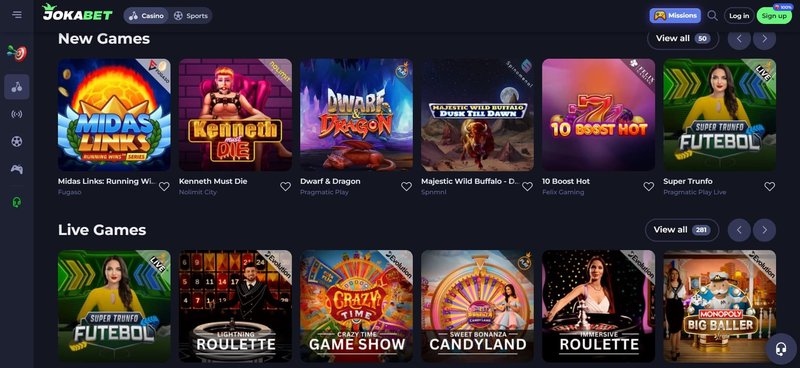
As mobile gaming continues to thrive, it intersects with other online entertainment platforms, creating a hybrid ecosystem where a single user might switch from a mobile puzzle game to a live sports streaming session within minutes. This seamless transition is exemplified by the recent partnership between a leading mobile developer and a popular streaming service, which allows players to watch live commentary while playing. For those interested in exploring this broader digital landscape, you can check out https://herosinstyle.com for insights into how these integrations are shaping consumer habits.
Conclusion – A New Paradigm for UK Leisure
By 2026, mobile gaming is no longer a niche pastime; it is a cornerstone of UK entertainment. The industry’s focus on rapid deployment, cultural relevance, and social connectivity has increased overall engagement by 40 % since 2023. While challenges such as narrative depth and data privacy persist, the trajectory points toward a future where mobile games and other digital media coexist fluidly, offering consumers a richer, more integrated leisure experience.
Frequently Asked Questions
What is the average gaming session length in the UK?
Players typically engage in 15‑minute sessions, whether on mobile or other platforms.
How many titles are available for casual play in Manchester?
A library of 1,200 titles spans puzzles, narrative and competitive multiplayer.
What impact does the 15‑minute model have on developers?
It shifts resource allocation toward quick, engaging content and frequent updates.
How does this trend affect local businesses?
Businesses target commuters with mobile ads and promotions, leveraging the high on‑the‑go engagement.